Why Using a Residential Electrician Is Necessary for Home Wellbeing!
Engaging a residential electrician is critical for maintaining home safety. Numerous homeowners undervalue the complications of electrical systems. DIY undertakings can cause dangerous conditions, including combustion hazards or shocks. Licensed electricians deliver indispensable knowledge, confirming adherence to local codes and protective measures. The ramifications of disregarding appropriate electrical installation can be severe. Grasping the value of professional guidance can establish a meaningful shift in home well-being. What particular perks can these professionals deliver?
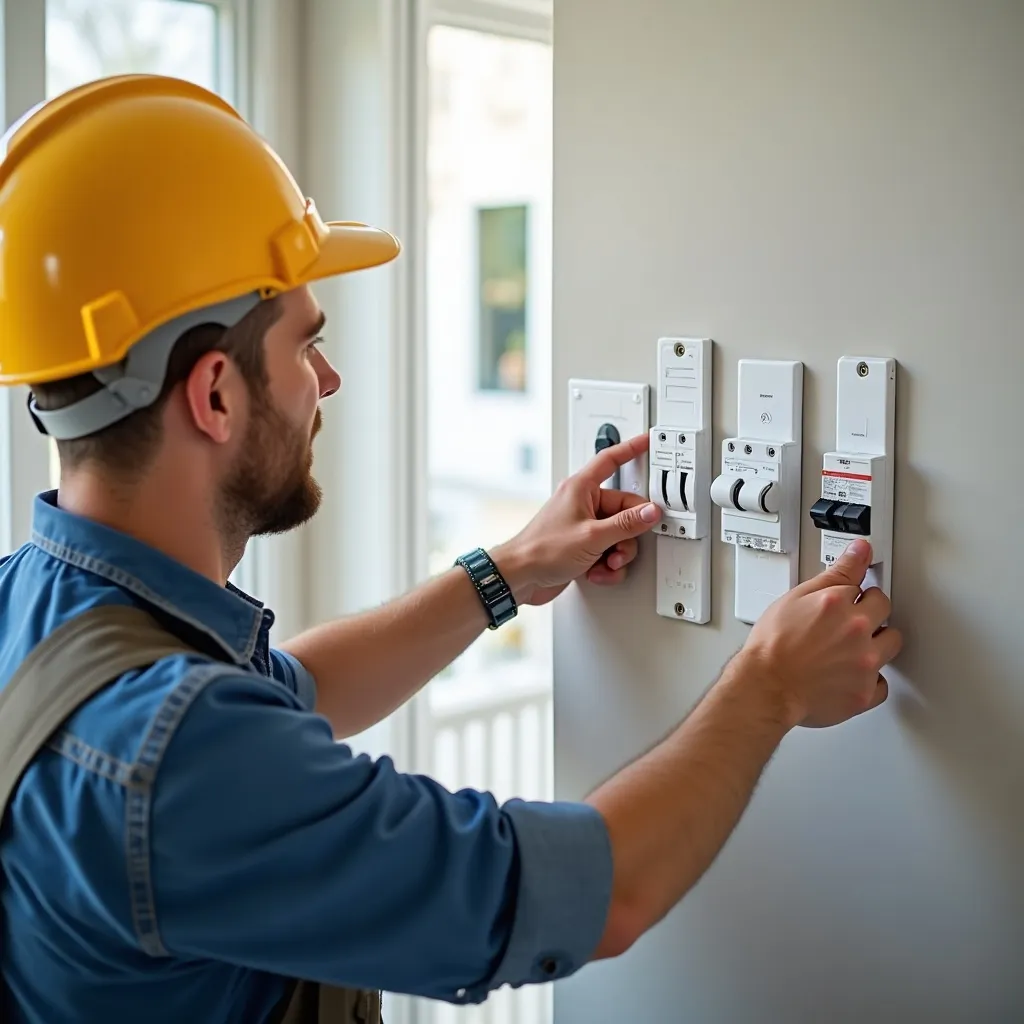
Comprehending the Perils of Do-It-Yourself Electrical Projects
Engaging in do-it-yourself electrical projects can seem attractive for property owners looking to save money, but it poses considerable risks. Many people overlook the intricacy of electrical infrastructure, often resulting in improper installations or repairs. This absence of professional knowledge can result in electrical failures, fires, or electrocutions, putting at risk both the homeowner and their residence.
Additionally, DIY undertakings might not follow local building codes, potentially creating legal complications or costly fines.
Additionally, devoid of the adequate tools and safety gear, homeowners may expose themselves to hazardous situations. Even deceptively straightforward work, such as replacing a light fixture, can have surprising difficulties if not executed correctly.
The possibility of long-term damage to the home's electrical system is also a concern.
The Skills That Protects Your Home Secure
When tackling home security concerns, a residential electrician's expertise becomes essential.
They carry out detailed safety examinations, making sure all systems are working properly and comply with regulatory standards.
Moreover, their familiarity with code standards and skilled troubleshooting competencies avert potential hazards before they become serious complications.
Complete Security Inspections
A detailed safety assessment conducted by a qualified residential electrician is important for maintaining a protected home environment. During this process, electricians inspect circuits, outlets, and electrical panels to identify potential hazards.
They inspect for obsolete parts that may create fire risks or cause electrical failures. Additionally, they evaluate the grounding and bonding systems to guarantee they meet safety standards.
When electricians discover issues like overloaded circuits or faulty wiring, they supply homeowners with actionable insights to mitigate risks. These inspections not only enhance safety but also boost energy efficiency, potentially lowering utility bills.
In the final analysis, routine safety inspections safeguard both the home and its residents, guaranteeing a robust electrical infrastructure that operates effectively.
Code Standards Assurance
Code compliance assurance constitutes a core element in ensuring the safety and reliability of residential electrical systems.
Professional electricians are well-versed in local, state, and national electrical codes, which are intended to shield homeowners from possible dangers. These codes cover various aspects, such as wiring methods, circuit protection, and grounding techniques, all vital for safe operation.
By following these standards, electricians lower the risk of fire hazards, shock hazards, and equipment failure. Additionally, standards compliance is frequently a requirement for home insurance and can affect property value.
Homeowners who hire a qualified electrical professional ensure that their electrical installations meet necessary standards, providing confidence and a safer living environment.
Expert Troubleshooting Abilities
Electrical systems can experience issues despite adherence to safety codes. When problems arise, expert diagnostic expertise become crucial.
Residential electricians possess expert knowledge and skills that enable them to spot issues efficiently, often prior to becoming serious dangers. Their ability to assess intricate electrical networks and diagnose problems ensures that homeowners are not left in the dark—literally and figuratively.
These knowledgeable professionals deploy high-tech equipment and strategies to uncover complications, whether it's a flickering light or a activated breaker switch. By taking action on these problems without delay, they not only restore proper performance but also maximize the overall security of the home.
Ultimately, relying on a skilled electrician for problem diagnosis is a proactive step toward safeguarding both property and residents.
Picking the Most Suitable Residential Electrical Specialist
Selecting the appropriate residential electrician demands thorough evaluation of several key factors.
Home buyers should confirm credentials and licenses to ensure regulatory adherence with local regulations.
Also, evaluate the electrician's qualifications and abilities, and obtain comprehensive estimates for complete transparency.
These steps assist with creating an informed decision that prioritizes quality and safety.
Confirm Credentials And Professional Licenses
Upon engaging a residential electrician, it is essential to confirm their credentials and licenses to guarantee adherence with local regulations and industry standards. This step ensures that the electrician has completed the necessary training and possesses the knowledge required for secure and effective electrical work.
Ensuring correct permits shields homeowners from unforeseen risks and confirms that the electrician complies with safety protocols. Additionally, checking qualifications can help discover professionals who stay abreast of the latest industry practices and technologies.
Homeowners should ask for insurance documentation and confirm that the electrician possesses any necessary credentials. Taking these precautions not only improves security but also fosters trust in the dependability and caliber of the electrical services provided.
Evaluate Experience And Expertise
Assessing the background and skills of a residential electrician is crucial for ensuring superior quality work. A experienced electrical professional typically brings a extensive understanding acquired from years of hands-on experience. This background enables them to handle different electrical installations and resolve problems efficiently.
Potential clients should ask regarding the electrician's specific areas of expertise, such as residential wiring, lighting installations, or electrical repairs. Furthermore, learning about the kinds of projects they have previously completed can offer understanding of their capabilities.
Reviews and endorsements from previous clients can also be considered valuable resources in assessing reliability and quality of service. By meticulously examining an electrician's experience and expertise, homeowners can make informed decisions that emphasize safety and efficiency.
Request In-depth Quotes
What can homeowners do to ensure they receive competitive rates and excellent workmanship when hiring a home electrical contractor? A effective strategy is to obtain comprehensive quotes from several electrical professionals.
This method not only helps with evaluating costs but also provides insights into the scope of work involved. Homeowners should verify that estimates include labor, materials, and any additional fees. A clear estimate reflects the electrician's professionalism and willingness to communicate.
Additionally, it allows homeowners to inquire regarding any indistinct charges, cultivating a better understanding of the project. By obtaining multiple estimates, homeowners can establish sound decisions, thereby securing they employ a qualified residential electrician who meets their needs while adhering to safety standards.
Leading Electrical Challenges Properly Addressed by Experts
When electrical issues surface in a home, it's necessary to determine which problems call for expert assistance. Frequent electrical issues that should be assigned to trained electrical professionals include frequent circuit breaker trips, which may demonstrate overloads or faulty wiring.
Flickering lights may demonstrate more serious issues, such as faulty connections or aging wiring systems. Additionally, outlets that feel warm or emit a scorched odor present significant fire hazards and should be inspected right away.
One more consideration is the installation of new electrical systems or fixtures, which often demands compliance with local codes and safety standards. Homeowners should also contact professional help for any electrical work involving the main service panel, as mistakes in this area can cause dangerous situations.
Why Standards Compliance Is Fundamental for Safety
Making sure that view information about electrical installations adheres to code compliance plays a vital role in protecting safety within residential environments. Electrical codes are established to decrease hazards such as fires, electrocution, and property damage. These regulations are created based on extensive research and industry standards, reflecting the latest safety practices.
When homeowners contract a residential electrician, they reap rewards from the professional's expertise in supervising these codes, verifying all installations and repairs are compliant.
Failure to comply can produce dangerous situations, such as defective electrical systems and insufficient electrical grounding, which may not only create risks to inhabitants but also affect insurance coverage. Additionally, properties that do not meet code standards can face fines or problems during real estate transactions.
In the final analysis, adhering to electrical codes is essential for protecting lives and property, highlighting the importance of employing qualified electricians for all electrical work.
Experience Sustained Economic Advantages by Using Professional Installations
Investing in professional electrical installations can yield considerable future financial benefits for residential property owners. Trained electrical experts assure that all circuitry and electrical systems are set up properly, lowering the probability of expensive restoration work due to faulty work. By adhering to safety codes and selecting superior materials, specialists minimize the risk of electrical hazards, which can lead to expensive damage or even destructive fires.
In addition, sustainable energy systems can cut down on utility bills over time. For instance, moving to efficient lighting options and appliances can result in substantial savings on electricity costs. Additionally, professional electricians can suggest solutions on refining electrical infrastructure for better efficiency.
Ultimately, although the early expense of retaining a qualified electrician may appear costlier than a DIY method, the long-term rewards—like reduced repair costs and cheaper energy bills—substantially outweigh the upfront outlay.
Homeowners can protect their finances and their homes by emphasizing the importance of professional electrical work.
The Sense of Security That Comes With Expert Services
Assurance and calm typically accompanies the option to employ a professional electrician. Homeowners can feel at ease knowing that their electrical systems are in the hands of qualified professionals who understand the complexities of wiring, circuits, and safety regulations.
Professional electricians possess the necessary certifications and experience to identify possible dangers, guaranteeing that installations and repairs comply with safety regulations.
In addition, hiring a qualified minimizes the potential of electrical failures that could lead to risky scenarios such as fires or electrocution. The assurance that a skilled individual has executed the work enables homeowners to focus on their regular activities without stressing over hidden dangers.
Furthermore, numerous skilled electricians extend guarantees for their offerings, additionally enhancing the level of assurance.
Ultimately, relying on a skilled electrician not only protects your home but also fosters a worry-free environment, enabling families to flourish without the weight of unresolved electrical issues.
Popular Questions Asked Regularly
How Can I Identify a Qualified Residential Electrician?
To identify a competent residential electrician, one should check for adequate licensing, insurance, and references. Additionally, examining internet reviews and requesting recommendations from close contacts can help confirm the electrician's dependability and proficiency.
What Are the Signs of Electrical Problems in My Home?
Signs of electrical issues feature flickering lights, tripped circuit breakers, outlets that are warm, burning odors, and switches that are discolored. Peculiar sounds emanating from appliances or outlets may also signal possible problems requiring urgent attention from a licensed technician.
How Often Should I Get My Electrical System Examined?
Property owners should get their electrical systems examined every three to five years. Routine inspections help spot possible concerns early, providing safety and efficiency while minimizing risks associated with outdated or faulty electrical components in the home.
Can I Do Basic Electrical Repairs on My Own?
While minor electrical repairs may seem doable, it's recommended to contact a professional. Insufficient expertise can lead to safety hazards, possible regulatory breaches, or costly damage, stressing the necessity for professional help for electrical work.
What Must I Take Action in Event of an Electrical Emergency?
In the event of an electrical crisis, one should immediately turn off the power at the circuit breaker, avoid contact with live wires, and contact a qualified electrician for assistance. Safety should always be the top priority.